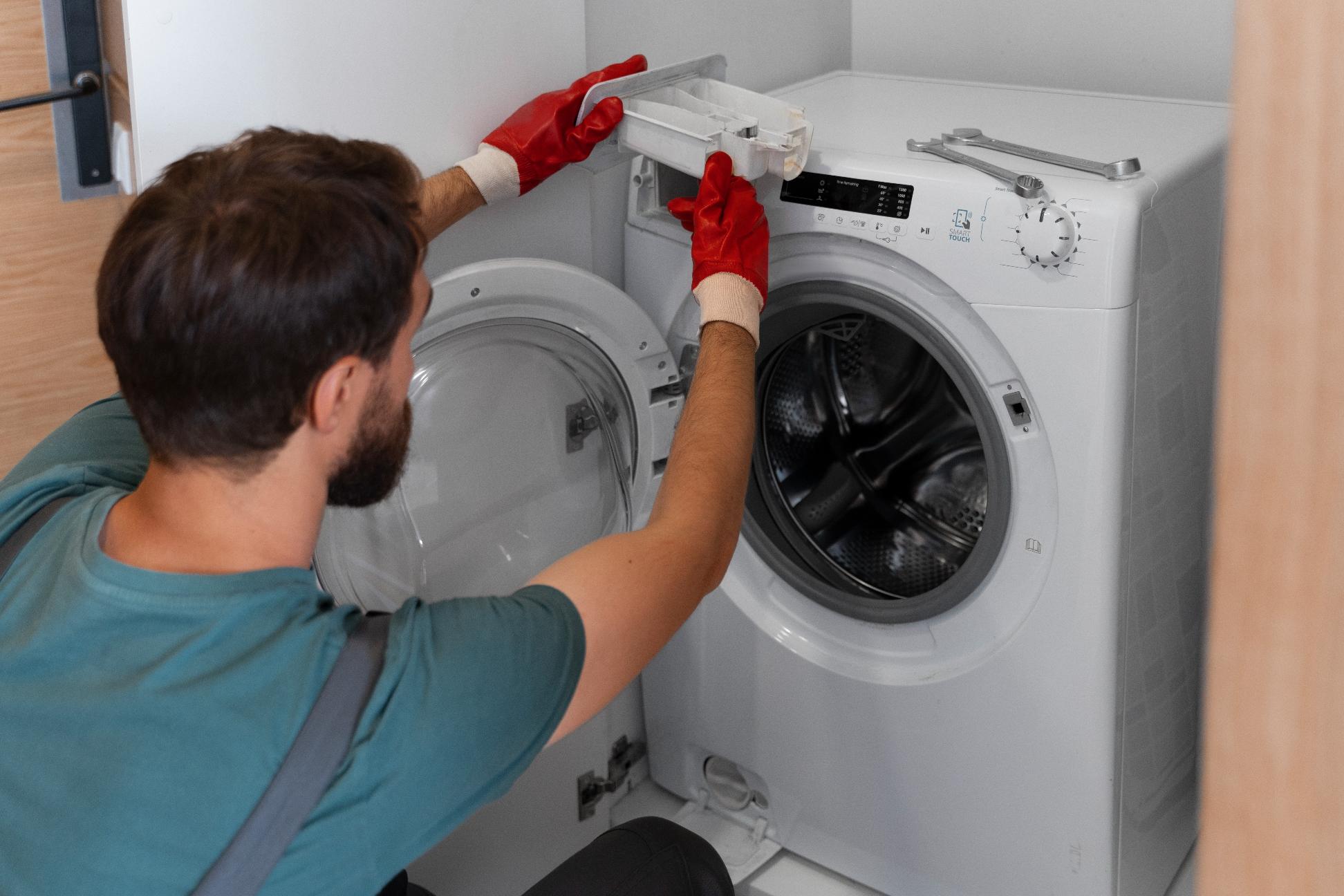
Why Is Your Washing Machine Not Draining Water? Common Causes and Solutions
A washing machine that does not drain water properly can interrupt your laundry routine and leave clothes sitting in dirty water.
Drainage problems are relatively common and can have several causes, from a blocked drain hose to a problem with the pump.
Here are some common reasons why your washing machine may not be draining properly.
1. Blocked Drain Hose
The drain hose carries used water away from the washing machine.
If the hose becomes blocked by dirt, lint, or other debris, water may not drain correctly.
Check whether the hose is bent, crushed, or visibly blocked. The hose should also be positioned correctly according to the washing machine manufacturer's instructions.
2. Blocked Drain Filter
Many washing machines have a drain filter designed to collect lint, coins, hair, and other small objects.
When the filter becomes clogged, water may drain slowly or may not drain at all.
Cleaning the drain filter according to the manufacturer's instructions can help restore proper drainage.
3. Foreign Objects Inside the Pump
Small objects such as coins, buttons, or other items left in clothing pockets can sometimes reach the drainage system.
These objects may interfere with the drain pump and prevent water from being removed from the machine.
If the pump is blocked internally, professional inspection may be required.
4. Drain Pump Problem
The drain pump is responsible for moving used water out of the washing machine.
If the pump is damaged or malfunctioning, the machine may stop draining properly.
A technician can inspect the pump and determine whether it needs cleaning, repair, or replacement.
5. Incorrect Drain Hose Installation
The position and height of the drain hose can affect drainage.
If the hose has been installed incorrectly, water may not flow out of the machine as intended.
If the washing machine was recently installed or moved and drainage problems started afterward, the hose installation should be checked.
6. Too Much Laundry
Overloading the washing machine can affect its normal operation.
When too many clothes are placed inside the drum, the machine may have difficulty completing the wash and spin cycles correctly.
Always follow the recommended load capacity for your washing machine.
7. Electronic or Control Problems
Modern washing machines use electronic controls to manage different stages of the washing cycle.
A sensor, control board, or other electrical component problem can sometimes prevent the machine from completing the drainage cycle.
These issues require proper diagnosis by a qualified technician.
What Can You Check Yourself?
Before contacting a technician, you can perform a few basic checks:
- Make sure the washing machine is switched off.
- Check whether the drain hose is bent or blocked.
- Check the drain filter if your model has one.
- Check whether the machine is overloaded.
- Make sure there are no obvious objects blocking the drainage system.
Always follow the manufacturer's instructions before opening or cleaning any component.
When Should You Call a Washing Machine Technician?
Professional washing machine service is recommended if:
- The machine repeatedly leaves water inside the drum
- The drain pump makes unusual sounds
- The washing machine shows an error code
- Cleaning the filter does not solve the problem
- The machine stops during the drainage cycle
- Water leaks from the washing machine
- The problem keeps returning
A professional technician can inspect the drainage system and identify whether the issue is related to the hose, filter, pump, electrical components, or another part.
How Can You Prevent Drainage Problems?
Regular maintenance can help reduce washing machine drainage problems.
Clean the drain filter when recommended by the manufacturer, check clothing pockets before washing, avoid overloading the machine, and make sure the drain hose is installed correctly.
Professional servicing can also help identify developing problems before they become major repairs.
Conclusion
A washing machine that is not draining can have a simple cause such as a blocked filter or hose, but it can also indicate a damaged drain pump or another technical problem.
Checking the basic drainage components is a useful first step. If the problem continues, professional washing machine service can help identify and fix the underlying issue.
Need Washing Machine Service?
MetroCool provides professional washing machine service and repair solutions for common drainage, spinning, water leakage, and other appliance problems. Contact MetroCool to schedule a service.